“Chronological age is an increasingly unreliable benchmark of pretty much anything about a person.”
– Ashton Applewhite, This Chair Rocks: A Manifesto Against Ageism (p. 47).
Many myths and beliefs about getting older are simply wrong. Contrary to prevalent stereotypes, negative messages about getting older no longer fit with groundbreaking discoveries that shatter these biases.
In remarkable ways, with the help of recent research, aging is being redefined and reexamined. (Berns-Zare, 2025). Recent discoveries in the last 20 years are blasting long-held beliefs about the second half of life. This is important because our beliefs about getting older can impact how we age.
A 2026 study published in Geriatrics by researchers at Yale University found that 45.15% of the 11,314 participants aged 65 and older who had more positive beliefs about aging, showed some improvement in cognitive and/or physical function (Levy & Slade, 2026).
“The current study demonstrated for the first time that participants who had assimilated more positive age beliefs were more likely to show improvement in both cognitive and physical function” (Levy & Slade, 2026, p. 1). These findings highlight the astonishing importance of positive beliefs about aging and “redefine aging so that it includes the possibility of improvement” (Levy & Slade, 2026, p. 8).
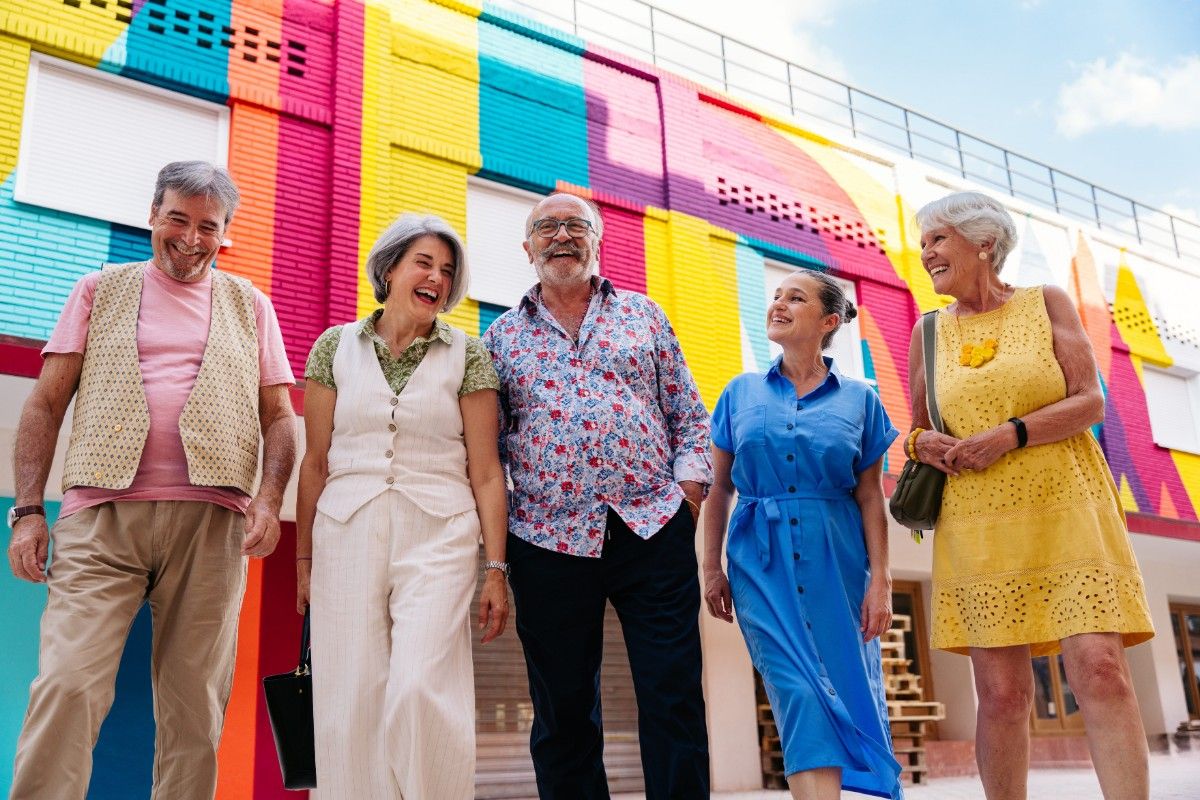
Yale Professor Becca Levy, PhD, an expert on the psychology of successful aging, writes that our beliefs about getting older can shape many aspects of our lives, including how well and how long we live (Levy, 2022). With shifts in lifestyle and mindsets, we can influence our health and live with greater vigor and wellbeing in life’s second half (Levy & Slade, 2026; Stringer, 2026).
Many adults are healthier and living longer than in previous years (Arnett et al., 2020). And negative stereotypes about aging are modifiable – in other words they can be changed or adjusted to make them more accurate or less extreme. For example, rather than thinking in diminishing ways about older people as frail, feeble, dinosaur, declining or over-the-hill, burdensome, we can learn to use more positive, respectful descriptions such as resilient, wise, experienced, seasoned, mentors, vibrant, accomplished, active or elders.
New information invites you to learn more and have conversations with others of all ages about what it means to get older, and to challenge the antiquated idea that growing older is simply a time of inevitable decline.
Continuing to learn is important for adults in midlife and older. This is an invitation to take initiative to continue to grow, use our brains in new ways, and implement new choices and behaviors (Stringer, 2026; Wu, et al., 2021). Older adults who continue to learn in a supportive learning environment are more resilient – they can find ways to maximize their potential and improve their cognitive abilities, their confidence in their capacity to learn, and be more adaptable to change.
When all is said and done, everyone is getting older every day of our lives. What might be the benefits of expanding your vision of possibilities for living as resiliently, healthfully, and fully as you can in your second half of life (Berns-Zare, 2025)?
What negative stereotypes about growing older do you carry?
How might your life and expectations about life’s changing seasons transform if you challenge outdated assumptions and replace them with more positive mindsets?
Given this inspiring information, what might be your next steps toward shifting your mindset about growing older?
Disclaimer: This article is for informational purposes only. No content is a substitute for consulting with a qualified mental health or healthcare professional.
© 2026 Ilene Berns-Zare, LLC, All Rights Reserved
An earlier version of this material was published at
https://www.psychologytoday.com/us/blog/flourish-and-thrive/202510/4-keys-to-constructive-conversations-on-difficult-topics
THE BOOK: You’re Not Too Old, and It’s Not Too Late, a Literary Titan Book Award winner, available at Amazon, Barnes & Nobles, Bookshop.org

This book invites Baby Boomers and Gen Xers to reimagine aging with confidence, vitality, and purpose. Drawing on research-informed tools and practical reflections, it encourages readers to tap into inner strengths, embrace meaningful shifts, and discover everyday “ah-ha” moments that spark renewal.
References:
-
- Applewhite, A. (2016). This chair rocks: A manifesto against ageism. Networked Books.
- Arnett, J.J., Robinson, O. & Lachman, M.E. (2020). Rethinking adult development: Introduction to the special issue. American Psychologist, 75(3), 425-430.
- Berns-Zare, I. (2025). You’re not too old and it’s not too late: Weekly practices for meaning, mindfulness and new possibilities at midlife and beyond. Hollister, CA: MSI Press.https://www.amazon.com/Youre-Not-Too-Late-Possibilities/dp/195735495X
- Levy, B. (2022). Breaking the age code: How your beliefs about aging determine how long & well you live. New York, NY: William Morrow.
- Levy, B. R., & Slade, M. D. (2026). Aging Redefined: Cognitive and Physical Improvement with Positive Age Beliefs. Geriatrics, 11(2), 28.
- Stringer, H. (2026). How learning protects the aging brain: Researchers are leveraging neuroplasticity to help older adults adapt to change and boost cognitive function. American Psychological Association Monitor on Psychology, 58(3), 48. https://www.apa.org/monitor/2026/04-05/learning-protects-aging-brain
- Wu, R., Zhao, J., Cheung, C., Natsuaki, M. N., Rebok, G. W., & Strickland-Hughes, C. M. (2021). Learning as an important privilege: A life span perspective with implications for successful aging. Human Development, 65(1), 51-64.

Ilene is now on Bluesky Social! We invite you to join the conversation.

Ilene is a Featured Author on PsychologyToday!
Read her blog series Flourish and Thrive: Navigating transitions with mindfulness and resilience.
What are some ways you would like to maximize your personal or professional possibilities?
Tap into your strengths, purpose, and potential to flourish in life and work.
If you’d like to discuss how Ilene Berns-Zare Coaching can help you achieve your goals, contact Ilene.
Coaching with Ilene Can Help You Call Yourself to Action
Ilene Berns-Zare, PsyD, PCC, CEC, is an Executive and Personal Coach and Speaker. Ilene helps people live their best personal and professional lives by bringing mind, body, and spirit into flow with strengths, purpose, and potential. She inspires clients to find fresh perspectives and access their full potential as creative, resourceful, whole persons. Find Ilene online, set up a free discovery coaching consultation, and access free resources at https://ibzcoaching.com/.