Welcome to this months’ Flourish!
I’m thrilled to share that The US Review of Books recommends my new
book, You’re Not Too Old, & It’s Not Too Late and has given it a great review!


https://www.theusreview.com/reviews-1/Youre-Not-Too-Old-and-Its-Not-Too-Late-by-Ilene-Berns-Zare.html

Please click here to learn more and enjoy your copy. If you like the book, please recommend it to friends. Ilene is available for Chicagoland book readings and signings.
And now, onto this month’s Flourish blog:
You may be familiar with the proverb, “patience is a virtue” offering the idea that calmly waiting and tolerating with minimal frustration is a valuable personal attribute.
Admittedly, patience is sometimes not my strong suit. In some situations, I am quite patient. But at other times my frustration or the adversity of the moment gets the best of me. Frankly, when I’m feeling impatient, the experience can be as uncomfortable for me as the person toward whom my impatience may be directed.
Patience can be defined as a capacity to endure difficulties, frustrations, and suffering with some sense of calm. Evidence suggests that patience is an important factor for navigating life’s challenges while also contributing to a sense of personal wellbeing and meaning in life (Schnitker & McAnnally-Linz, 2021).
Patience has not been widely studied by psychologists. Research published in 2024 by Kate Sweeny, PhD, and Sarah Schnitker, PhD, “shows that patient people worry less and feel less negative and more positive emotions when waiting for personally relevant news…” Sweeny (2025) suggests that impatience is an emotion which is sparked by various types of frustrations and suggests further research to examine new approaches to strengthen patience as a coping strategy to help us manage our frustrations as they arise in our lives.
Schnitker describes three types of patience (2010; Bulbul & Izgar, 2017). These include:
- Everyday life patience, such as waiting for an appointment, sitting in the car during high traffic, and waiting for customer service at a store or on the phone.
- Patience during life challenges, such as illness, childcare, eldercare, or financial difficulties.
- Patience in interpersonal situations, such as difficult conversations, or challenging relationships.

While positive psychologists don’t specifically name patience as one of the top 24 human character strengths, it is seen as an important element of human behavior. Strengths researchers propose that patience is a combination of several recognized character strengths including perseverance, self-regulation, and judgment (Niemiec, 2018; Peterson and Seligman, 2004).
There are many reasons to leverage greater patience to address everyday frustrations. For example, patience can help you manage your emotions during stressful situations and persevere toward achieving your goals. Patience can
help build relationships and strengthen cooperation among people, including family, friends, colleagues, and in the community.
These four strategies may help you strengthen your patience:
- Developing greater awareness of when you are not being or feeling patient. Gently notice what types of experiences tend to provoke impatience for you and how you tend to respond in those situations.
- Thinking about patience as a growing edge that you can strengthen with intention and practice.
- Aiming for less judgmental interactions with others. Practice listening to the ideas of others and noticing new ideas and information with an intention to be present with less judgement of good or bad, like or dislike, etc. Instead, try calmly paying attention and attempting to understand things from alternate perspectives. Patience does not require agreement, rather it can be about intentionally cultivating perspective, openness to other options, and managing or self-regulating your emotions and reactions.
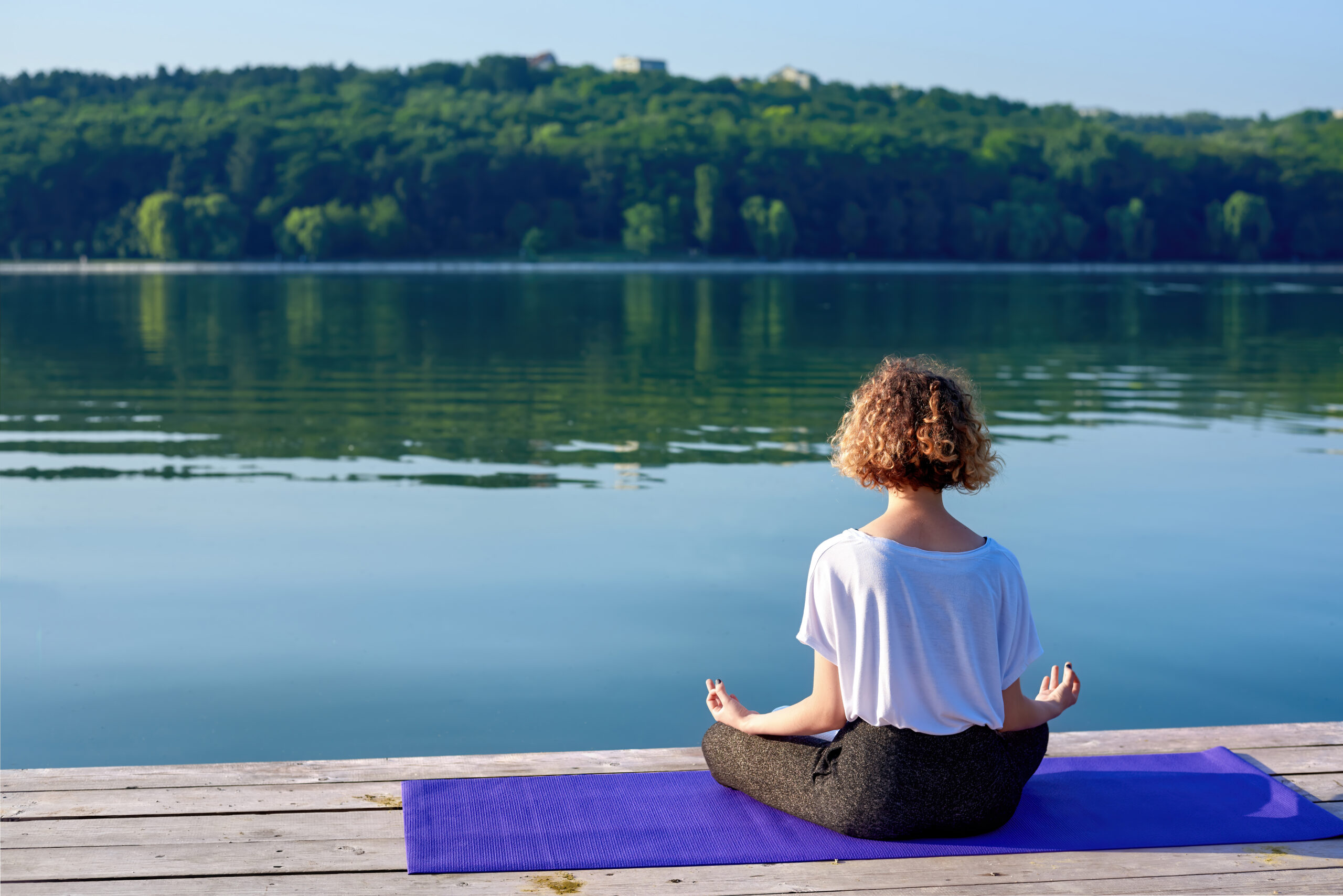
- Cultivating a patience practice. You might take a mindful moment to quiet down and offer yourself inner spaciousness to navigate frustration or difficulty. Gently, turn your attention to your breath or another anchor and invite yourself to let go of whatever is causing your sensations of unrest, discomfort, anger, etc. Then, each time your thoughts wander back to your impatience, you might invite yourself to return to the gentler focus you have chosen. You might kindly say something to yourself acknowledging your experience, such as: This is my experience and that’s OK, or may I be calm and go with the flow.
Disclaimer: This article is for informational purposes only. No content is a substitute for consulting with a qualified mental health or healthcare professional.
© 2026 Ilene Berns-Zare, LLC, All Rights Reserved
An earlier version of this article was posted on Psychology Today: https://www.psychologytoday.com/us/blog/flourish-and-thrive/202602/how-can-patience-help-you-deal-with-lifes-frustrations
References:
-
- Bülbül, A. E., & Izgar, G. (2018). Effects of the Patience Training Program on Patience and Well-Being Levels of University Students. Journal of Education and Training Studies, 6(1), 159-168.
- Niemiec, R. M. (2018). Character strengths interventions: A field guide for practitioners. Newburyport, MA: Hogrefe Publishing.
- Peterson, C., & Seligman, M. E. (2004). Character strengths and virtues: A handbook and classification (Vol. 1). Oxford, England: Oxford University Press.
- Schnitker, S. (2010). An examination of patience and well-being. (Dissertation Doctor of Philosophy in Psychology). University of California: Davis.
- Schnitker, S. & McAnnally-Linz, R. (2021). The psychology of patience, part 5. Episode No. 80. https://faith.yale.edu/media/the-psychology-of-patience
- Sweeny, K., & Schnitker, S. A. (2025). Patiently waiting: The role of trait patience during stressful waiting periods. Journal of Research in Personality, 104681.
- Sweeny, K. (2025). On (im) patience: A new approach to an old virtue. Personality and Social Psychology Review, 29(2), 145-158.

Ilene is now on Bluesky Social! We invite you to join the conversation.

Ilene is a Featured Author on PsychologyToday!
Read her blog series Flourish and Thrive: Navigating transitions with mindfulness and resilience.

What are some ways you would like to maximize your personal or professional possibilities?
Tap into your strengths, purpose, and potential to flourish in life and work.
If you’d like to discuss how Ilene Berns-Zare Coaching can help you achieve your goals, contact Ilene.
Coaching with Ilene Can Help You Call Yourself to Action
Ilene Berns-Zare, PsyD, PCC, CEC, is an Executive and Personal Coach and Speaker. Ilene helps people live their best personal and professional lives by bringing mind, body, and spirit into flow with strengths, purpose, and potential. She inspires clients to find fresh perspectives and access their full potential as creative, resourceful, whole persons. Find Ilene online, set up a free discovery coaching consultation, and access free resources at https://ibzcoaching.com/.